

Цитаты

“He was kind of smelly.” Dido looks a little brighter as she starts to play the game.
“And garlicky. And farty.” Victoria nods. “Yes, definitely him. Mr GarlicFarticus.”
What the everloving fuck is this dialogue?
“My master gave it to me,” she says, and the mention of Felix is like the cold of a knife laid flat against her heart. “He told me it is halfway between love and bitterness.”
“Yes, amare, amarum,” he says. “A bit poetic for a pimp.”
Впечатления
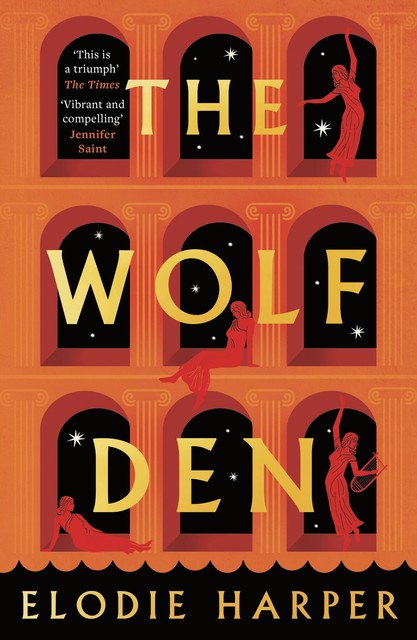
Set in AD 74 Pompeii, The Wolf Den offers a character-driven glimpse into the lives of Amara and the sex workers in the Wolf Den brothel. While the premise is compelling, the pacing and execution leave a mixed impression.
The opening chapters drag and move slowly, with little development plot wise—its not initially clear what the goal is for the characters and what direction the book is taking. The repetitive depiction of daily life effectively conveys monotony but at times can border on tedious, making it difficult to stay engaged early on.
Though the book features a sizable cast, I initially found it difficult to connect with the main characters. Amara and the other women’s backstories are very briefly touched upon, lacking the emotional depth needed to fully capture the tragedy of their circumstances. The narrative often “tells rather than shows,” which blunts its emotional impact.
One drawback for me was the use of modern syntax in dialogue. While it may make the story more accessible, it occasionally disrupted the historical atmosphere and felt inconsistent with the setting.
Where the book truly shines is in its portrayal of relationships and sisterhood, and its realistic insight into the lives often overlooked. The complexities between the women is both tender and fierce, offering a nuanced exploration of survival, rivalry and agency. For readers seeking romanticised and/or ‘spicy’ content, I implore you to manage your expectations—The book’s depiction of exploitation and abuse is brutal, honest and unflinching.
Despite its slow start and stylistic flaws, The Wolf Den remains a thought-provoking read. Its raw depiction of resilience in oppressive circumstances makes it a worthy read for those drawn to feminist retellings, stories of endurance and the female rage. I look forward to following Amara’s journey in the remaining instalments of the trilogy.